The Installation Cost for EV Chargers: Understanding the Expenses
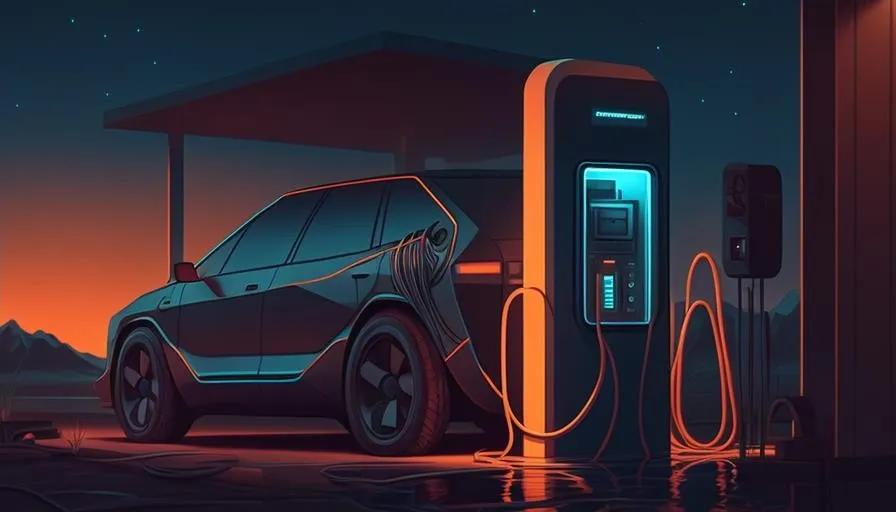
Inductive EV charging, also known as wireless charging, is a cutting-edge technology that promises to revolutionize the EV charging experience. Instead of using cables and plugs, inductive charging utilizes electromagnetic fields to transfer energy between the charging station and the EV. This eliminates the need for physical connections and offers several key advantages over traditional charging methods.
The Advantages of Inductive EV Charging
Convenience: Inductive charging makes the charging process effortless. Simply park your EV over the charging pad, and the system automatically starts charging. No more fumbling with cables or worrying about compatibility issues. This simplicity makes it an ideal option for public charging stations, residential areas, and workplaces.
Flexibility in Placement: Inductive charging pads can be installed in various locations, including underground, within pavement, or on walls. This flexibility allows for seamless integration into existing infrastructure, such as parking lots and garages. It also eliminates the need for dedicated parking spaces with EV charging stations.
Increased Safety: Without physical connections, the risk of electrical hazards, such as electric shock or cable damage, is significantly reduced. Inductive charging systems are designed to prioritize safety and have built-in features to prevent overheating or power surges.
Weather Resistance: Inductive charging pads are weather-resistant and can withstand various environmental conditions. They are designed to be durable and reliable, ensuring uninterrupted charging even in extreme weather conditions.
Enhanced User Experience: Inductive charging promotes a seamless user experience. With features like automatic charging initiation and real-time charging status updates, users can easily monitor and manage their charging sessions. Additionally, advanced technologies like bi-directional charging capabilities enable EVs to serve as energy storage units, contributing to the overall stability of the electric grid.
The Future of Inductive EV Charging
As the demand for EVs continues to rise, the need for efficient and user-friendly charging solutions becomes even more crucial. Inductive EV charging presents tremendous potential to address these challenges and shape the future of electric vehicle charging.
Ubiquitous Charging Infrastructure: Inductive charging technology allows for greater flexibility in charging station placement, paving the way for widespread deployment of charging infrastructure. This enables EV owners to charge their vehicles conveniently, regardless of their location.
Charging Efficiency Improvements: Researchers and engineers are continuously working to enhance the efficiency of inductive charging systems. Advancements in coil design, energy transfer, and power electronics are expected to result in faster and more efficient charging solutions, reducing overall charging times.
Integration with Autonomous Vehicles: With the rise of autonomous driving, inductive charging can seamlessly integrate into future smart road networks. Wireless charging infrastructure embedded within roadways can provide continuous charging for electric and self-driving vehicles, eliminating the need for frequent stops and battery range anxiety.
Sustainable Energy Integration: Inductive charging can integrate renewable energy sources, such as solar and wind power, into the charging process. This synergy can lead to greener and more sustainable charging solutions, reducing dependence on fossil fuels and contributing to a cleaner environment.
Inductive EV charging holds immense promise for the future of electric vehicle transportation. Its convenience, flexibility, and safety advantages make it a compelling choice for EV owners and charging infrastructure providers. With ongoing research and development efforts, inductive charging is poised to play a significant role in shaping the future of sustainable mobility.
"
See What's Inside:
http://safarisenergy.com/